
Product Description
Paperback

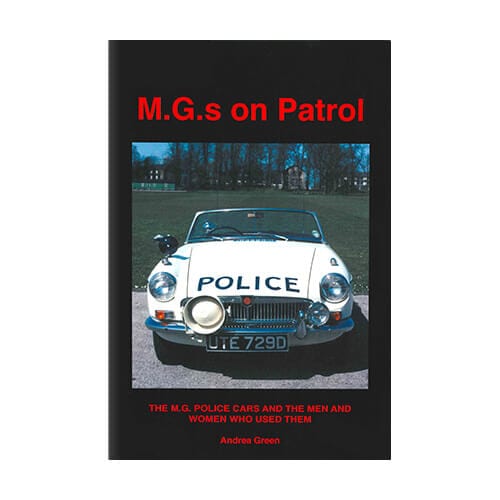
£14.99
In the past a large number of M.G. sports and touring cars were used by United Kingdom police forces as patrol cars. This book sets out to both give full details of the cars used, compiled from surviving police, company and club records, and in their own words tell the story of the men and women who drove them
Paperback

Mike Sherrell’s sequel to TCs Forever has proved to be very popular, so that we have ordered more copies from a second print run.
As Mike himself describes, it’s ‘a companion to TCs Forever! and an aid to survival in the 21st century’.
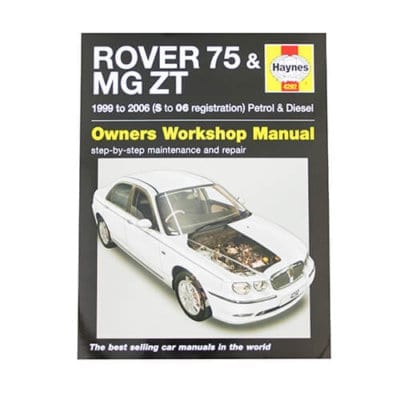
Essential workshop manual covering the MG ZT from 2001 to 2005. Please note this manual does not cover the V8 ZT 260.
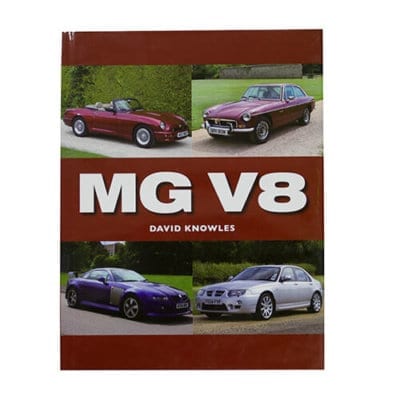
Tells the story of each MG V8 model from concept to development and production. Illustrated with 400 pictures including concept cars, design sketches and specially commissioned photography. Interviews with the original V8 design and engineering teams.
Detailed information tables of notable cars and their chassis numbers for each model, plus special editions and colour charts. Background on development and testing work on each model. Rare input and insight from many of the suppliers and specialists who helped develop the cars. Information on sales and servicing literature, production changes, product placement, celebrity stories and much more.

This second edition of Gerald Palmer’s autobiography is published five years after his death in 1999 and Christopher Balfour, who collaborated with Gerald on the first edition, has taken the opportunity to review the impact this talented car designer had on the motor industry and to include some photographs that were not used in the first book


