
Product Description
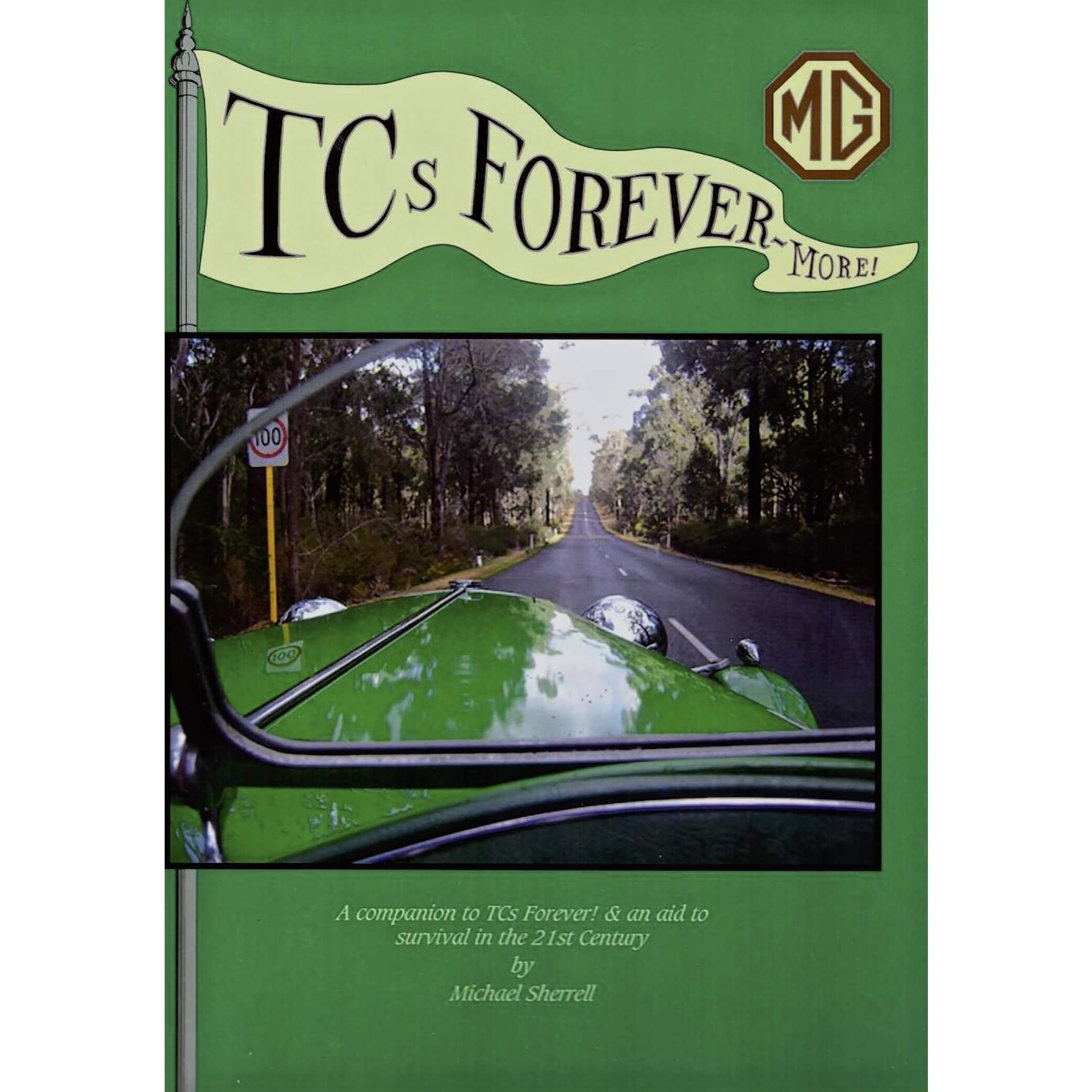
T Register – Mike Sherrell’s TCs Forever-More

£74.00
Mike Sherrell’s sequel to TCs Forever has proved to be very popular, so that we have ordered more copies from a second print run.
As Mike himself describes, it’s ‘a companion to TCs Forever! and an aid to survival in the 21st century’.
T Register – Mike Sherrell’s TCs Forever-More
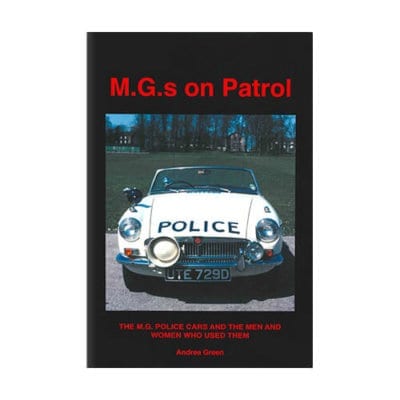
In the past a large number of M.G. sports and touring cars were used by United Kingdom police forces as patrol cars. This book sets out to both give full details of the cars used, compiled from surviving police, company and club records, and in their own words tell the story of the men and women who drove them
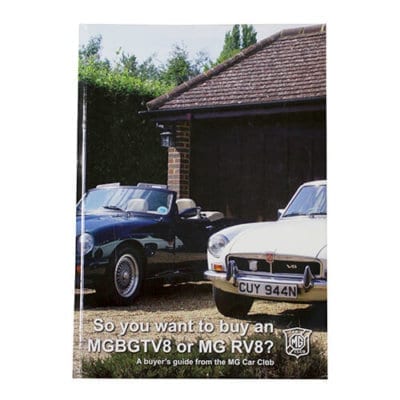
One of the most successful features in the MG Car Club’s monthly magazine Safety Fast! over the last few years has been the “So you want to buy an MG?” series of buyers’ guides. Those guides have been both comprehensive and authoritative as they have been well researched and prepared by Club members who clearly know their individual models very well. This book contains the guides to the MGBGTV8 and the MG RV8 models together with a five part guide to buying a classic MG and useful checklists and other materials.
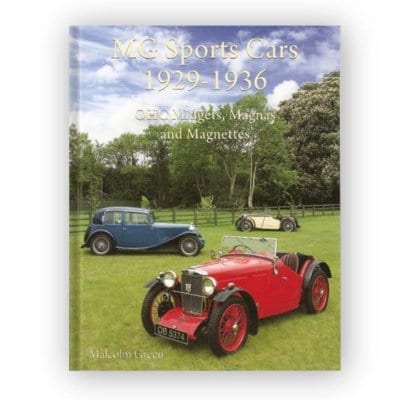
Your definitive guide to MGs from 1929 through to 1936.
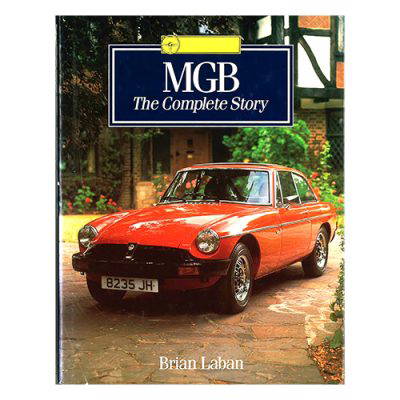
The MGB was the most successful British sports car of all time, selling more than half a million examples over a production life of eighteen years. It has always represented fun driving at realistic prices, and remains well within reach of the average motorist today. The complete story of the B is set firmly in the context of the MG company’s eventful history, and there are new insights into the personalities and politics behind the development of Britain’s most popular sports car. Contains numerous specially-commissioned photographs, technical analyses, driving impressions and practical information on buying and owning a MGB.


